
Solang Valley
Manali’s adventure playground, offering paragliding, zorbing and skiing against a backdrop of glaciers. In winter the meadow turns into a snow-sports hub; in summer it’s all green slopes and ropeway rides.
Cradled by the Pir Panjal and Dhauladhar ranges, Manali blends snow-capped adventure with riverside calm. From paragliding and skiing in Solang Valley to the dramatic heights of Rohtang Pass and the cedar-wood Hadimba Temple, it is a long-time favourite of honeymooners and thrill-seekers alike.
Set where the Beas River carves through the Kullu Valley, Manali pairs snow-capped adventure with riverside calm at 2,050 metres. It is Himachal’s favourite all-rounder — a place for honeymooners, families and adrenaline seekers alike, ringed by the Pir Panjal and Dhauladhar ranges.
From paragliding and skiing in Solang Valley to the dramatic high-altitude drama of Rohtang Pass, Manali packs in more variety than almost any other Indian hill station. Add the bohemian cafés of Old Manali and the ancient Hadimba Temple, and you have a destination that rewards both lazy and action-packed itineraries.
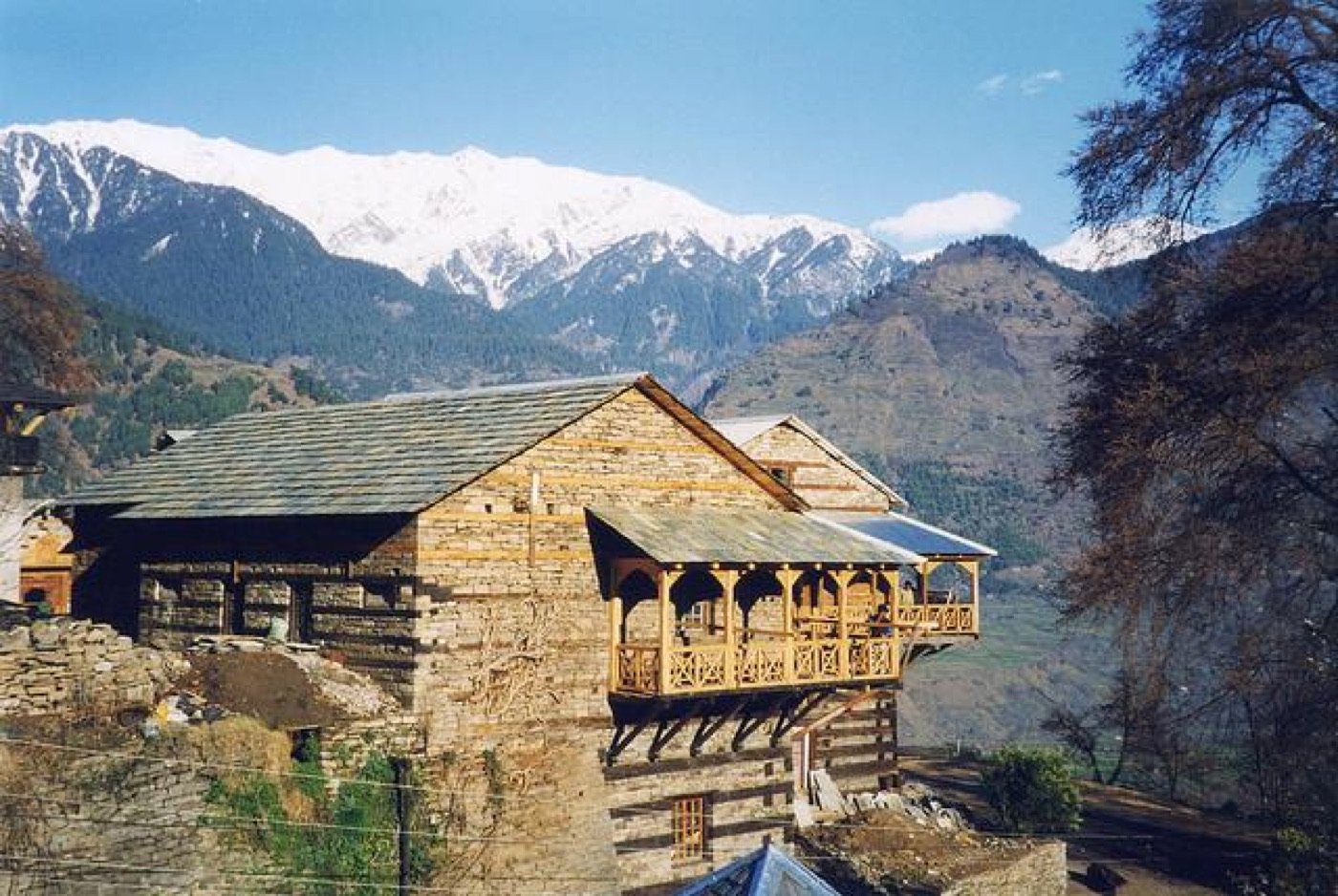
Manali’s adventure playground, offering paragliding, zorbing and skiing against a backdrop of glaciers. In winter the meadow turns into a snow-sports hub; in summer it’s all green slopes and ropeway rides.
A spectacular 3,978-metre mountain pass blanketed in snow for much of the year. A permit is required and it stays open roughly May–November, offering some of the most dramatic Himalayan views near Manali.
A striking four-tiered wooden temple built in 1553, set amid towering deodar cedars. Its pagoda-style architecture and serene forest setting make it Manali’s most atmospheric heritage site.
A laid-back quarter of guesthouses, riverside cafés and craft shops, anchored by the Manu Temple. It’s the place to slow down, sip coffee and soak up Manali’s relaxed traveller vibe.
Manali sits in the Kullu Valley, a region steeped in devotion to local deities (devtas) who are carried in colourful palanquins during village festivals. The grand Kullu Dussehra, celebrated nearby, draws hundreds of these deities together in one of Himachal’s most spectacular cultural gatherings.
Day-to-day, the culture is a friendly mix of Pahari tradition and a global café scene seeded by decades of backpackers — you’ll hear folk Nati music as easily as you’ll find a wood-fired pizza in Old Manali.
Overall, the ideal time to plan your Manali trip is October–June. Here is a season-by-season guide to help you choose:
No trip to Manali is complete without savouring its iconic flavours. Here are the local specialities you must try:
Yes. A permit issued by the Himachal authorities is mandatory for Rohtang Pass, and daily vehicle numbers are capped. Most travellers arrange it through their tour operator or hotel.
For guaranteed snow near town, visit between December and February. Solang Valley and higher reaches hold snow well into March.
Manali offers paragliding, skiing, river rafting on the Beas, zorbing, mountain biking and trekking — most centred around Solang Valley and the Kullu Valley.
Manali is about 530 km from Delhi, roughly a 12–14 hour overnight drive or Volvo bus ride. Many travellers break the journey in Chandigarh.