
Pangong Lake
A vast, high-altitude lake straddling the India–China border that shifts through shades of blue and green with the light. An overnight camp on its shores is a Ladakh highlight.
A high-altitude desert of staggering beauty, Leh-Ladakh rewards travellers with surreal moonscapes, turquoise lakes and centuries-old Buddhist monasteries. Stand on the shores of the colour-shifting Pangong Lake, cross into the dune-and-camel country of Nubra Valley, and puzzle over the optical illusion of Magnetic Hill.
A high-altitude desert of staggering beauty, Leh-Ladakh sits in India’s far north between the Karakoram and Himalayan ranges. Surreal moonscapes, turquoise lakes and centuries-old Buddhist monasteries make it the country’s most otherworldly road-trip destination.
This is a place for travellers chasing big adventure — driving over some of the world’s highest motorable passes, camping beside the colour-shifting Pangong Lake and riding camels across Nubra’s cold-desert dunes. With careful acclimatisation, Ladakh delivers experiences found nowhere else in India.
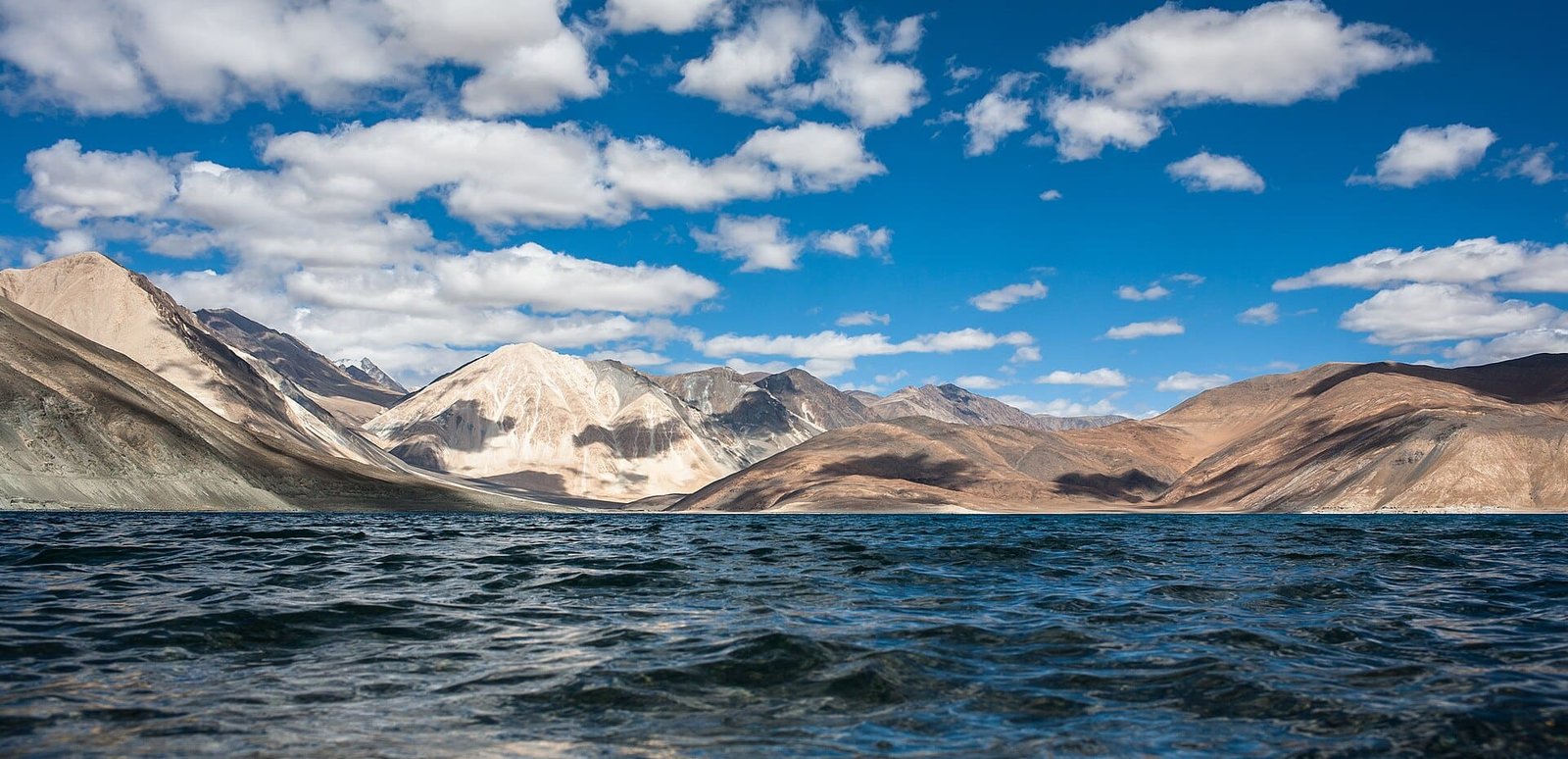
A vast, high-altitude lake straddling the India–China border that shifts through shades of blue and green with the light. An overnight camp on its shores is a Ladakh highlight.
Reached over the Khardung La pass, Nubra is a cold desert of sand dunes, double-humped Bactrian camels and the dramatic Diskit Monastery with its giant Maitreya Buddha.
A famous optical illusion where vehicles appear to roll uphill, near the striking confluence (Sangam) of the green Indus and muddy Zanskar rivers.
Thiksey, Hemis, Diskit and Shey monasteries showcase Ladakh’s living Buddhist heritage, with butter-lamp halls, towering Buddhas and morning prayer rituals open to respectful visitors.
Ladakh’s culture is deeply Tibetan Buddhist, expressed in fluttering prayer flags, whitewashed stupas and grand gompas perched on ridgelines. The Ladakhi people are famously warm and resilient, living in harmony with one of the harshest environments on earth.
Vibrant masked Cham dances bring the monastery festivals to life, while traditional dress, barley farming and Ladakhi hospitality remain central to village life across the Indus Valley.
Overall, the ideal time to plan your Leh-Ladakh trip is May–September. Here is a season-by-season guide to help you choose:
No trip to Leh-Ladakh is complete without savouring its iconic flavours. Here are the local specialities you must try:
Plan for at least 7–9 days, including two acclimatisation days in Leh, to comfortably cover Pangong Lake, Nubra Valley and the monastery circuit.
Yes. Indian travellers need Inner Line Permits and foreign nationals need Protected Area Permits for Nubra Valley, Pangong Lake and other border regions. These are easily arranged in Leh.
Acclimatise for 1–2 days in Leh on arrival, drink plenty of water, ascend slowly, avoid alcohol initially, and consult your doctor about preventive medication before the trip.
Flying into Leh’s Kushok Bakula Rimpochee Airport is the quickest and easiest option. The scenic Manali–Leh and Srinagar–Leh road routes are open only in summer.