
Beas River Rafting
Kullu’s top adventure draw — exhilarating white-water rafting through the rapids of the Beas, with stretches suited to both beginners and thrill-seekers.
Known as the ‘Valley of the Gods’, Kullu unfurls along the rushing Beas River amid apple orchards and deodar forest. Raft the white water, hike out to the riverside hamlet of Kasol, and bathe in the hot springs of Manikaran — especially magical during the colourful Dussehra festival.
Known as the ‘Valley of the Gods’, Kullu unfurls along the rushing Beas River amid apple orchards and deodar forest. Less hectic than neighbouring Manali, it offers river adventure, riverside villages and a deeply spiritual local culture centred on its many mountain deities.
Kullu is the adventure and pilgrimage hub of the valley — white-water rafting on the Beas, treks into the Great Himalayan National Park, and the sacred hot springs of Manikaran. Its grand Dussehra festival is among the most spectacular cultural events in the Himalayas.
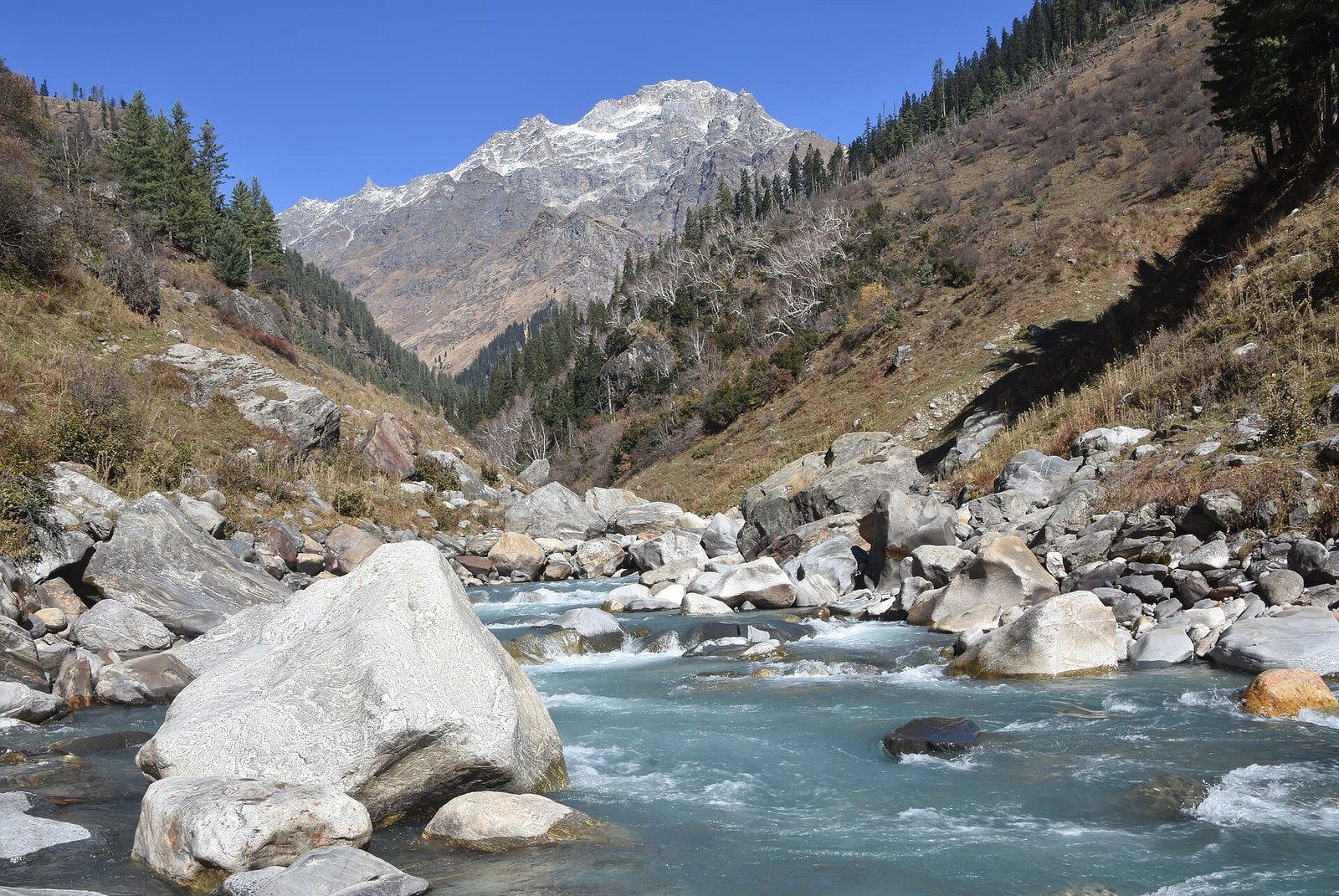
Kullu’s top adventure draw — exhilarating white-water rafting through the rapids of the Beas, with stretches suited to both beginners and thrill-seekers.
A laid-back riverside village and backpacker haven in the scenic Parvati Valley, surrounded by pine forest and gateway to popular treks like Kheerganga.
A revered pilgrimage site sacred to both Sikhs and Hindus, famous for its natural hot springs and a gurudwara where food is cooked using the steaming spring water.
A UNESCO World Heritage biodiversity hotspot of high meadows, forests and rare wildlife, offering some of Himachal’s finest wilderness trekking.
Kullu earns its name ‘Valley of the Gods’ from the hundreds of village deities (devtas) worshipped across the region. The grandest expression of this devotion is Kullu Dussehra, when deities from surrounding villages are carried in vivid palanquin processions to Dhalpur Maidan for a week of celebration.
The valley is also famous for its handwoven Kullu shawls and caps, with their distinctive geometric borders, produced in weaving cooperatives and sold throughout Himachal.
Overall, the ideal time to plan your Kullu trip is March–June & October (Dussehra). Here is a season-by-season guide to help you choose:
No trip to Kullu is complete without savouring its iconic flavours. Here are the local specialities you must try:
Kullu is known as the ‘Valley of the Gods’ for its many local deities and grand Dussehra festival, as well as Beas River rafting, the Parvati Valley, Manikaran’s hot springs and handwoven Kullu shawls.
Yes. The Beas River offers graded stretches, including beginner-friendly rapids. Always raft with a registered operator and wear the provided life jacket and helmet.
Manikaran is a sacred site for Sikhs and Hindus, famous for its natural hot springs and a gurudwara where langar food is cooked using the boiling spring water.
Kullu Dussehra is held in October, beginning on Vijayadashami, and features week-long processions of village deities at Dhalpur Maidan — one of the Himalayas’ most spectacular festivals.