
Red Fort & Chandni Chowk
The mighty Mughal sandstone fort that crowns Old Delhi, beside the frenetic Chandni Chowk bazaar — a sensory whirl of spice shops, sweets and street food.
India’s capital is a centuries-deep collision of empires and energy, where Mughal ramparts stand minutes from glassy malls. Explore the sandstone grandeur of the Red Fort, climb the soaring Qutub Minar, and pause at the solemn arch of India Gate before diving into Old Delhi’s street food.
India’s capital is a centuries-deep collision of empires and energy, where Mughal ramparts stand minutes from glassy malls. From the chaotic, fragrant lanes of Old Delhi to the wide, tree-lined avenues of New Delhi, the city layers history, politics and street life into one unforgettable whole.
As the apex of the Golden Triangle, Delhi packs in UNESCO World Heritage monuments, world-class museums, sprawling bazaars and one of India’s greatest street-food scenes. It rewards both the history lover and the curious wanderer in equal measure.
The mighty Mughal sandstone fort that crowns Old Delhi, beside the frenetic Chandni Chowk bazaar — a sensory whirl of spice shops, sweets and street food.
A soaring 73-metre 12th-century victory tower of red sandstone, the centrepiece of a UNESCO-listed complex of early Indo-Islamic ruins.
A serene, garden-set Mughal mausoleum that inspired the Taj Mahal, and one of Delhi’s most beautiful and peaceful heritage sites.
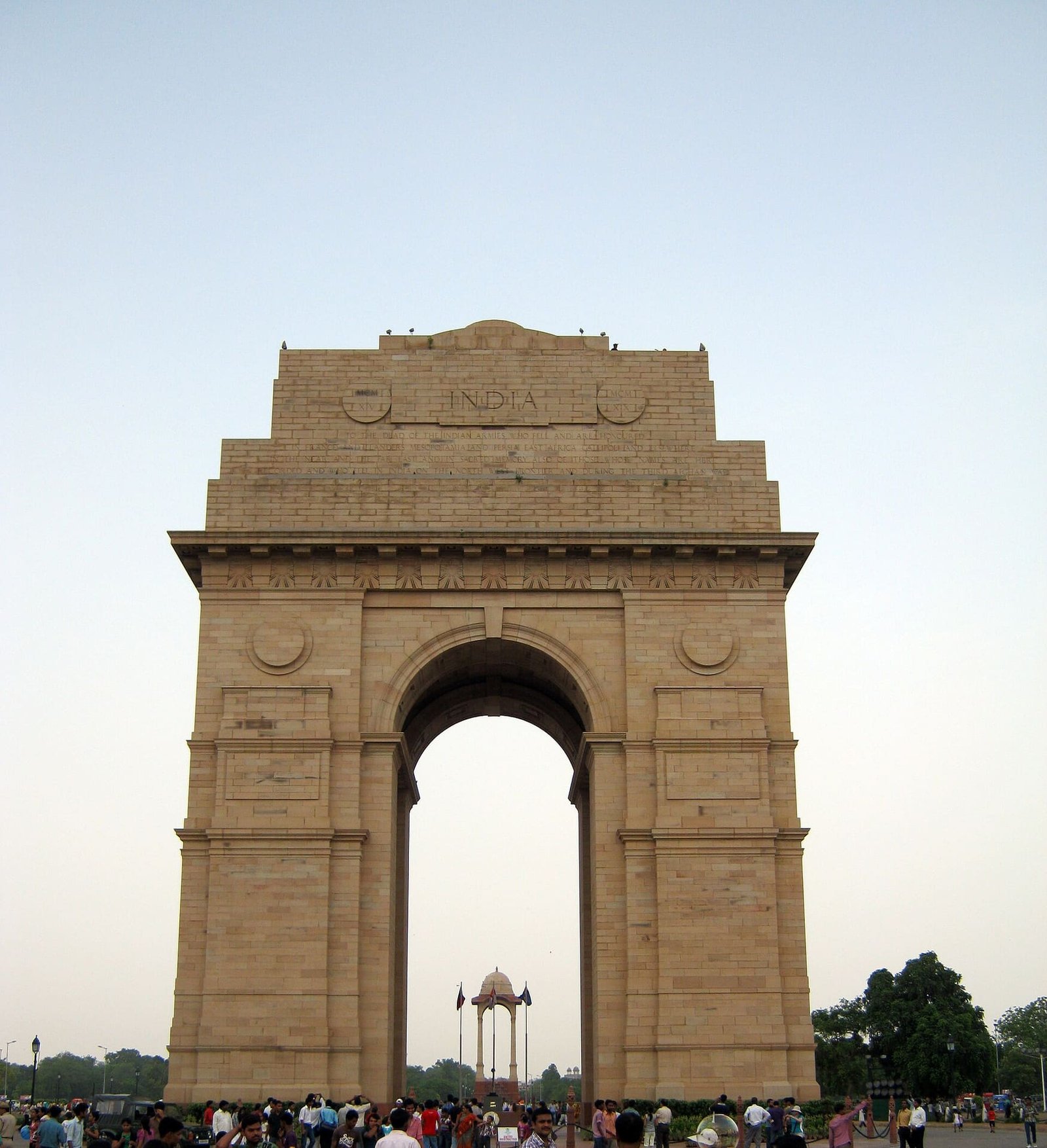
The solemn war-memorial arch on the grand Rajpath, surrounded by the colonial-era avenues and government buildings of New Delhi.
Delhi is a vast cultural melting pot where Mughal, colonial and modern Indian influences meet, and where communities from every corner of the country have left their mark on its food, festivals and language. From Sufi qawwali at Nizamuddin Dargah to high-energy Diwali and Republic Day celebrations, the city’s cultural calendar never rests.
Its bazaars, art galleries, theatres and street food together make Delhi one of India’s most vibrant and cosmopolitan cities, where the old and new constantly intermingle.
Overall, the ideal time to plan your Delhi trip is October–March. Here is a season-by-season guide to help you choose:
No trip to Delhi is complete without savouring its iconic flavours. Here are the local specialities you must try:
Two to three days is ideal to cover Old Delhi (Red Fort, Jama Masjid, Chandni Chowk) and New Delhi’s monuments like Qutub Minar, Humayun’s Tomb and India Gate.
Delhi is generally safe for tourists who take normal precautions — use registered taxis or ride apps, avoid isolated areas at night, keep valuables secure and stay alert in crowded markets.
The Delhi Metro is the fastest and most convenient way to travel, supplemented by app-based cabs and autos. It helps you avoid the city’s heavy road traffic.
Chandni Chowk in Old Delhi is the most famous street-food destination, known for paranthas, chaat, jalebi and kebabs, alongside hubs like Connaught Place and Lajpat Nagar.