

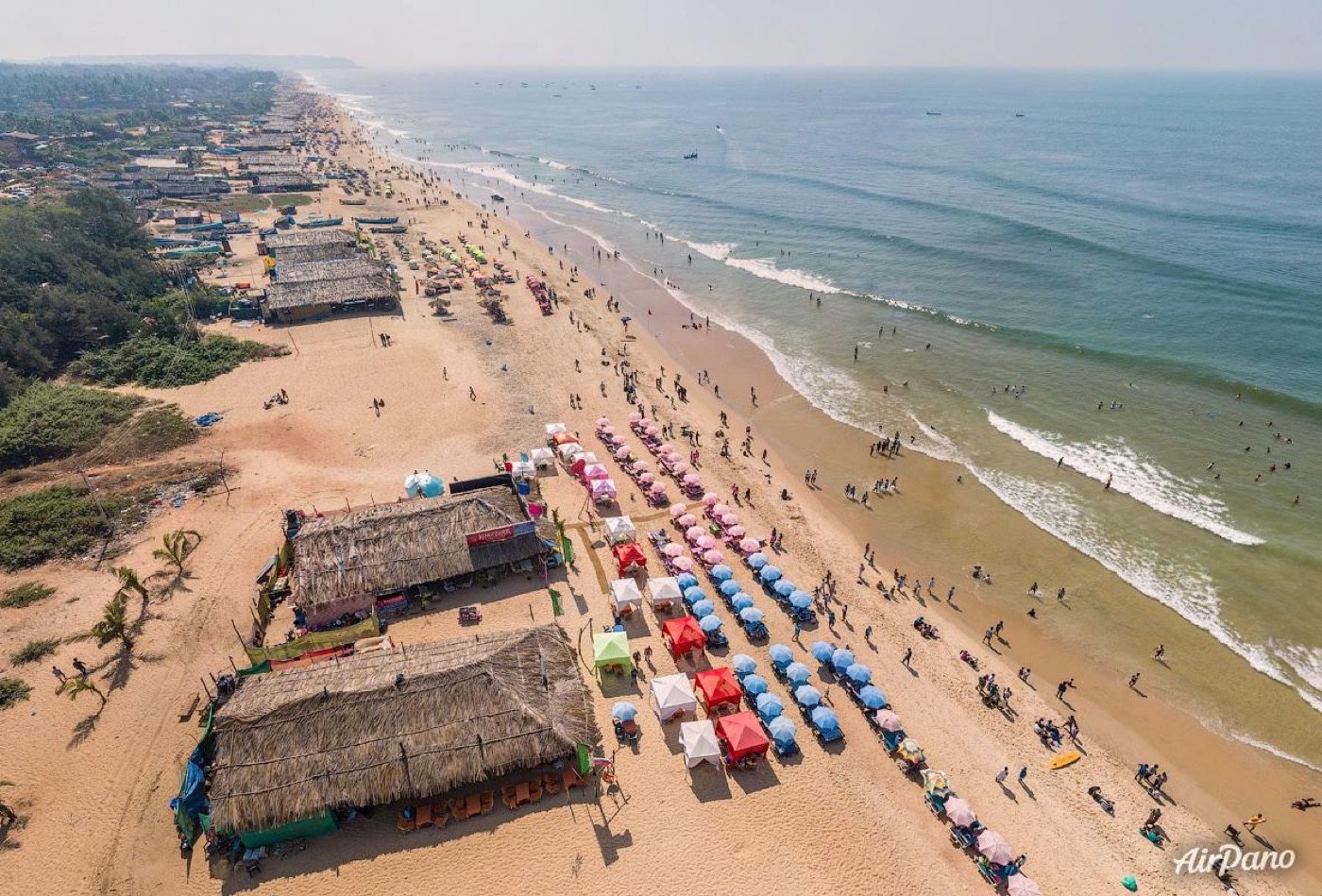
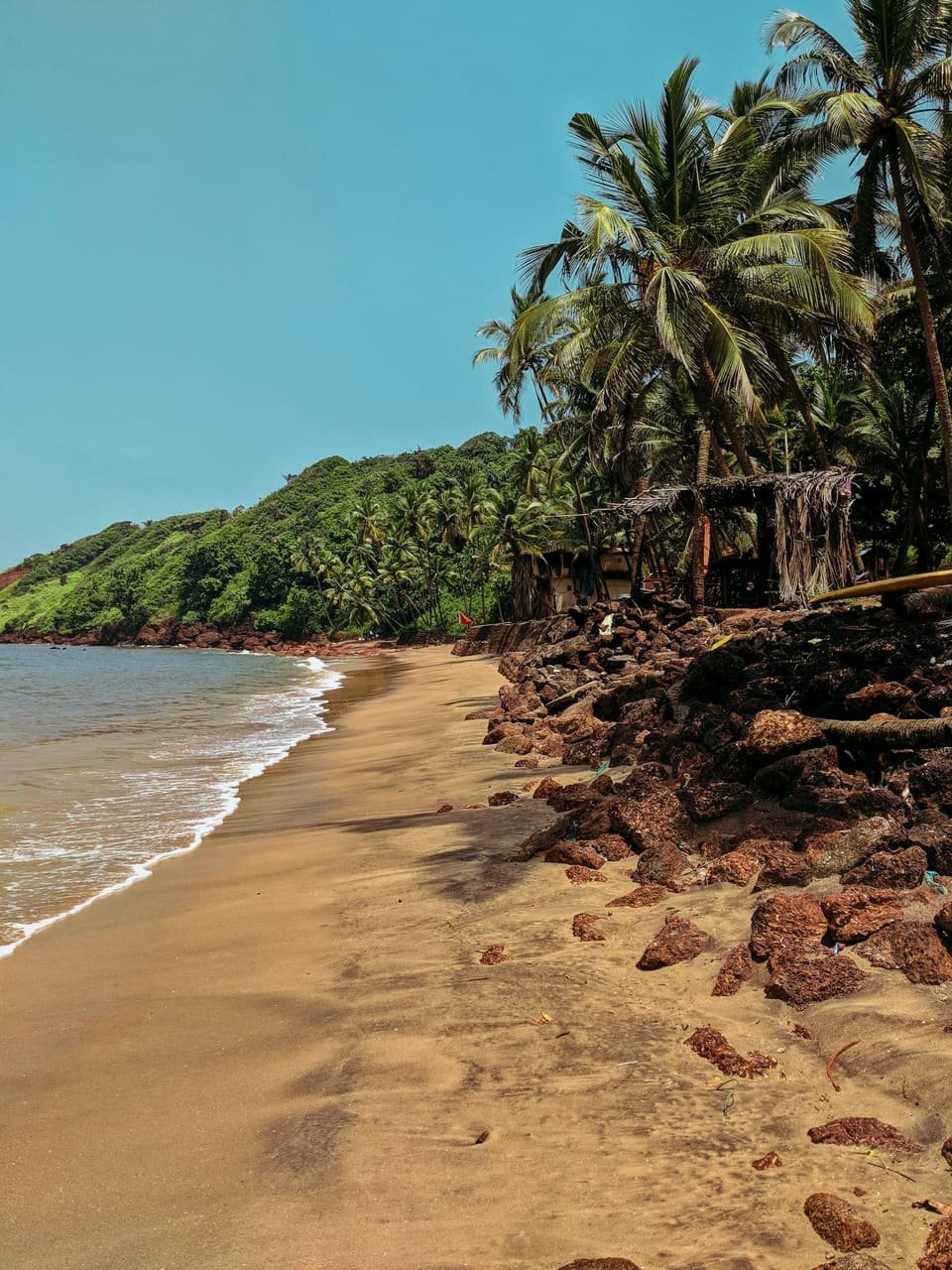
For most visitors, Goa means beaches, seafood shacks, and sunset parties. And while Calangute, Baga, and Anjuna certainly deliver on all three, the state holds a deeper, richer layer that most tourists never reach — a 450-year Portuguese heritage that has shaped everything from its architecture and cuisine to its music and festivals.
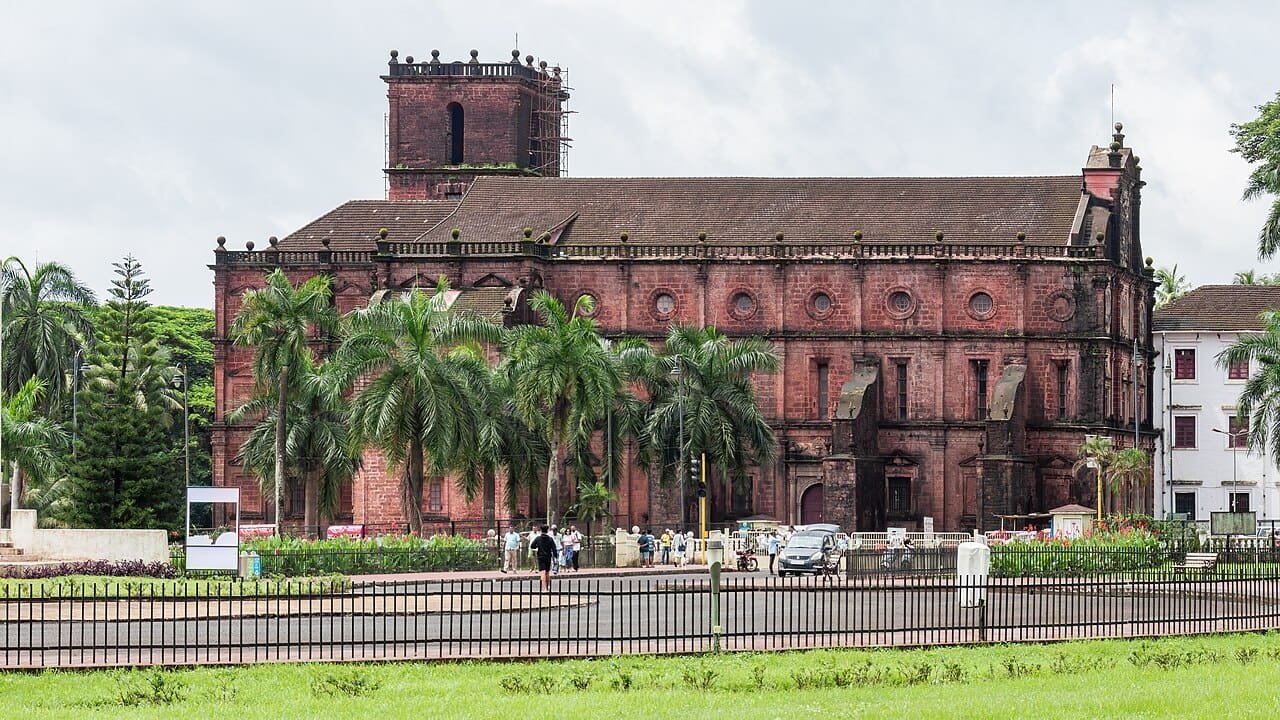
Old Goa, the former Portuguese colonial capital on the banks of the Mandovi River, was once one of the largest cities in the world. Today, a cluster of extraordinary baroque churches — all UNESCO World Heritage Sites — remains as testament to that era.
Basilica of Bom Jesus
Built in 1605, the Basilica of Bom Jesus is Goa's most visited monument and one of the finest examples of baroque architecture in Asia. It houses the mortal remains of St. Francis Xavier, the sixteenth-century Jesuit missionary who is the patron saint of Goa. The silver casket containing his mummified body is displayed in a jewelled mausoleum in the chancel.
Every ten years, his body is exposed for public veneration in an event called the Exposition — an extraordinary religious spectacle that draws over a million pilgrims.
Se Cathedral
The largest church in Asia, Se Cathedral (Cathedral of St. Catherine) took 90 years to build, being completed in 1619. Its golden bell — known as the "Golden Bell of Goa" — is one of the largest and finest toned bells in the world. The interior contains fourteen altars dedicated to various saints, each elaborately carved in Portuguese-Goan style.
The Spice Plantations of Ponda
Head inland to Ponda, about 30 km from Panaji, and you step into a completely different Goa — one of lush valleys carpeted with pepper vines, cardamom bushes, cinnamon trees, and cashew orchards. Spice plantation tours at Sahakari Farms or Tropical Spice Plantation include a guided walk, a demonstration of traditional Goan cooking, and a sumptuous lunch under the jungle canopy.
Fontainhas: Latin Quarter of Panaji
Hidden in the heart of Panaji (Goa's capital), Fontainhas is a neighbourhood of winding cobblestone lanes, brightly painted Portuguese townhouses with tiled roofs, and tiny Catholic chapels. It has been declared a heritage precinct, which means it is one of the best-preserved examples of Portuguese colonial domestic architecture in India.
Stop at a bakery for a warm pão de ló (a Portuguese sponge cake), browse the resident artists' studios, and visit the Chapel of St. Sebastian where a Portuguese-era crucifix with open eyes stands.
Goa's Food Beyond Seafood
- Chicken Xacuti — a rich curry made with poppy seeds, freshly grated coconut, and roasted spices
- Bebinca — the iconic 16-layer Goan dessert baked in the traditional manner with coconut milk and jaggery
- Goa Sausages (Chouriço) — pork sausages seasoned with toddy vinegar and chilli, served with pão bread
- Sorpotel — a fiery pork and offal curry with strong Portuguese-African roots
- Feni — Goa's iconic local spirit distilled from cashew apples or coconut; try cashew feni in a proper taverna
Best Time to Explore Old Goa
November to February is ideal — the crowds are present but manageable, the heat is bearable, and the Christmas and New Year festivities add a festive sparkle to the old city streets. If you visit in December, the Feast of St. Francis Xavier on December 3rd is a cultural highlight.